
Shadow Analysis: The Hidden Technique That Top WinPlay Players Use
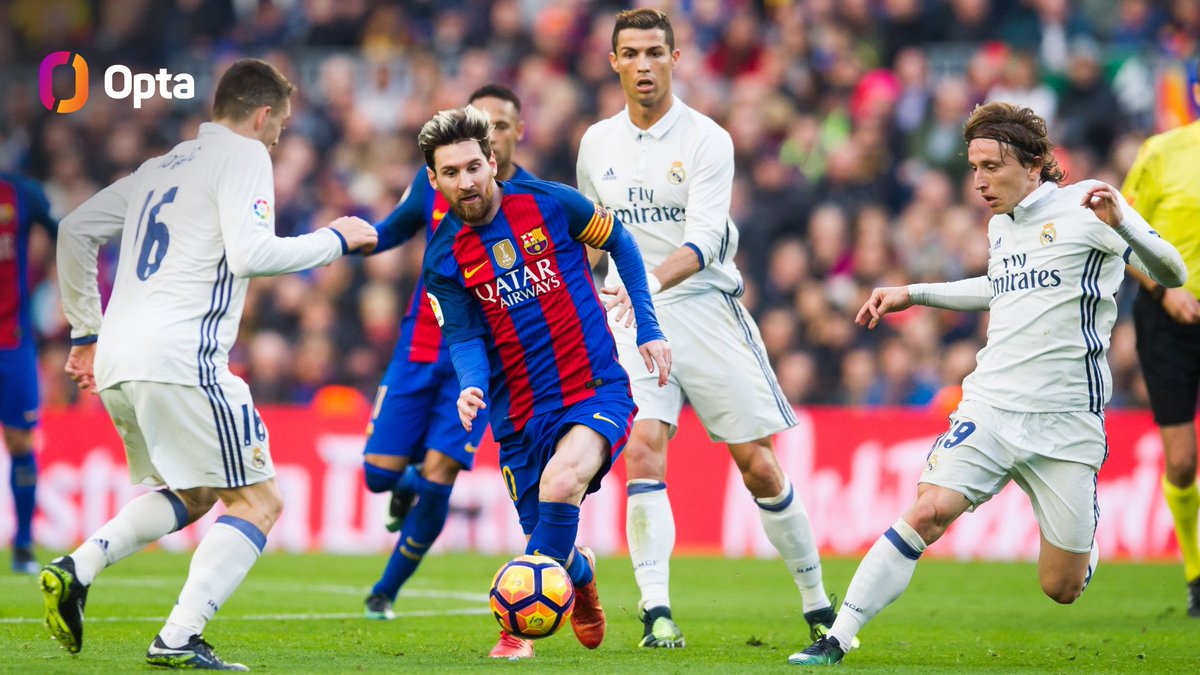
The Physics of Ball Shadows
When light from the sun (or stadium floodlights) strikes a spherical object, it casts a shadow on the nearest surface below it. The geometry of that shadow is determined by three factors:
- The light source angle — the altitude of the sun or floodlight above the horizon
- The ball’s height above the ground — the higher the ball, the further the shadow falls from the point directly beneath it
- The light source direction — where the light is coming from determines which way the shadow is offset
In an outdoor daytime image, the sun is a single, directional light source. Every shadow in the image — players, goalposts, corner flags — is cast at the same angle from the same direction. This consistency is what makes shadow analysis so powerful: you can calibrate the shadow geometry using any object in the image, then apply that calibration to find the ball’s shadow.
Step 1: Calibrate the Shadow Angle
Before looking for the ball’s shadow, calibrate your shadow reference using known objects in the image.
Use a goalpost, corner flag, or player’s legs — objects with a known vertical dimension and a clearly visible shadow on the ground. Observe:
- Direction: Which way does the shadow fall? (Left, right, forward, back relative to the object)
- Length ratio: How long is the shadow relative to the object’s height?
This ratio is the tangent of the sun’s elevation angle — shadow length / object height = tan(90° - sun altitude). You do not need to calculate this precisely. You just need to note the ratio visually so you can apply it to the ball.
Step 2: Find the Ball’s Shadow
Now scan the ground in the image for a roughly circular or elliptical dark patch. The ball’s shadow will:
- Match the direction of all other shadows in the image
- Be circular if directly above, or elliptical and elongated if the ball is high and the sun is low
- Be sharp-edged in bright sunlight, softer and more diffuse under cloud cover or floodlights
- Appear on the nearest ground surface — grass, court surface, or sand depending on the sport
In stadium floodlight conditions (indoor arenas, night matches), there may be multiple shadows from multiple light sources. Each shadow points to the same ball — they are just projected from different directions. The ball is at the intersection of the lines drawn from each light source through each shadow.
Step 3: Calculate Ball Height and Horizontal Position
Once you have found the shadow, you can back-calculate the ball’s position in the frame:
Horizontal position: The shadow’s ground position tells you where the ball is horizontally. If the ball’s shadow falls on the penalty spot area, the ball is directly above or near-above the penalty spot (adjusted for shadow offset).
Vertical position (height): Using your calibrated shadow length ratio from Step 1, you can estimate the ball’s height above the ground. If a 1.8m-tall player casts a 1.2m shadow (ratio 0.67), and the ball’s shadow is offset 0.8m from directly beneath the ball’s estimated position, then the ball is approximately 0.8 / 0.67 = 1.2m above the ground.
In a 2D image, height translates to vertical position in the frame. A ball 1.2m off the ground appears roughly at waist height in the image, assuming the horizon is visible.
When Shadows Are Not Available
Shadows are not always present or clearly visible. Here is what to do in each scenario:
Overcast conditions: No directional shadows. Switch entirely to eye-line triangulation and trajectory analysis. Overcast images level the playing field — everyone loses the shadow advantage.
Night/floodlit matches: Multiple competing shadows. Look for the shadow that is darkest and sharpest — this comes from the strongest/nearest light source and is most reliable. Use multiple shadow intersections to triangulate.
Shadows obscured by players: If a player is standing on the ball’s shadow, estimate the shadow position from context. The shadows of nearby players will tell you the shadow direction and approximate length ratio.
Indoor sports (basketball, volleyball, badminton): Ceiling-mounted lights create very short shadows directly below objects. The ball’s shadow will be small and directly below the ball’s position — high accuracy if visible.
The Shadow + Eye-Line Combined Technique
The most accurate WinPlay players combine shadow analysis with eye-line triangulation in a two-step process:
- Eye-line triangulation narrows the ball’s likely zone to a region roughly 50–80 pixels in diameter.
- Shadow analysis pinpoints the exact position within that zone, often narrowing to within 5–15 pixels.
When both methods agree on a position — when your eye-line triangulation and your shadow analysis point to the same spot — you can place your marker with very high confidence. This convergence is the closest thing to certainty available in Spot the Ball.
A Cricket Case Study: The Lofted Drive
Consider a cricket image showing a batsman having just played a lofted on-drive. The ball is missing from the frame. Here is how shadow analysis works:
- The batsman’s shadow falls at approximately 45° to the left, from a sun at roughly 45° elevation.
- The shadow is about equal in length to the batsman’s height — confirming the 45° angle.
- Scanning the outfield grass, there is a small circular dark patch about 8 metres in front of the batsman’s crease, offset slightly left of the ball’s expected parabolic path.
- Using the 45° shadow geometry, the ball casting that shadow is approximately 8 metres high at that horizontal position.
- Cross-referencing with the fielders’ upward gaze angles — all tilted at roughly 40–50° — confirms the ball is at high altitude, consistent with the shadow calculation.
Result: marker placed at the shadow’s horizontal position, elevated in the frame to match the estimated 8-metre height. Accuracy: Bullseye.
Practice Exercise
On your next WinPlay challenge, before placing your marker, spend 60 seconds on shadow analysis alone:
- Find the shadow direction using a player or post
- Scan the ground for a circular/elliptical dark patch
- Estimate ball height from shadow offset
- Note the position — then confirm with eye-lines
Over time, this 60-second exercise will become automatic and your average accuracy will improve measurably.
Apply shadow analysis to today’s live challenge on the Competitions page.
Tags: Shadow Analysis · Ball Physics · Light Geometry · Advanced Strategy · Spot the Ball · Sports Science